

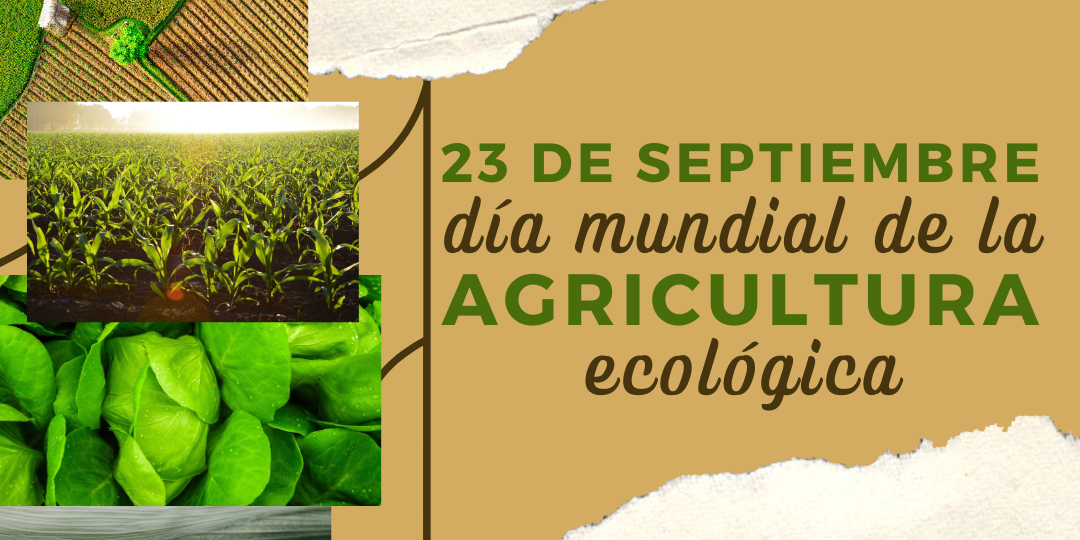
Organic Farming and the Importance of Centralised Lubrication Systems in Agricultural Machinery
Organic farming has become increasingly important in recent years, as more and more farmers and consumers seek sustainable practices that minimise environmental impact and promote soil and crop health. In this context, it is essential to consider not only cultivation techniques, but also the maintenance and efficient operation of the agricultural machinery used in these processes. This is where centralised lubrication systems come into play.
What is organic farming?
Organic farming is based on principles that seek to respect the natural balance, avoiding the use of synthetic chemicals, artificial fertilisers and genetically modified organisms. It focuses on sustainable practices such as crop rotation, the use of organic fertilisers, and the conservation of resources such as water and biodiversity.
Agricultural Machinery in Organic Farming
Agricultural machinery is essential for efficient and sustainable production. However, the use of this machinery can have a significant impact on the environment if not managed properly. Therefore, it is crucial that farmers practising organic farming pay attention to the efficiency and maintenance of their equipment.
Centralised Lubrication Systems: A Sustainable Solution
Centralised lubrication systems are devices that enable automatic lubrication of multiple points on an agricultural machine via a pump that supplies lubricant to the installation where the distributors are located, which measure out the amount of lubricant for each lubrication point in the installation. This offers numerous advantages, especially in the context of organic farming:
- Resource Savings
By reducing waste, the environmental impact associated with the production and disposal of oils and fats is minimised.
- Improving Operational Efficiency
Well-lubricated machinery operates more efficiently, resulting in lower fuel consumption and reduced pollutant emissions.
- Maintenance Reduction
Installing a centralised lubrication system allows farmers to focus more on sustainable farming practices and less on time spent on repairs and maintenance.
- Increased Service Life of Machinery
Proper lubrication prevents premature wear of moving parts, extending the service life of machinery and thereby reducing waste generation.
In conclusion, organic farming and centralised lubrication system technology are natural allies in the quest for more sustainable agricultural practices. By integrating these systems into the daily operation of agricultural machinery, farmers can not only improve the efficiency and durability of their equipment, but also contribute to a healthier environment.
“The transition to more environmentally friendly agriculture involves adopting new technologies and practices that respect and preserve the environment. Centralised lubrication systems are a step in that direction, helping farmers maximise their yield while minimising their environmental impact. Agricultural machinery thus becomes a tool not only for production, but also for sustainability.”
